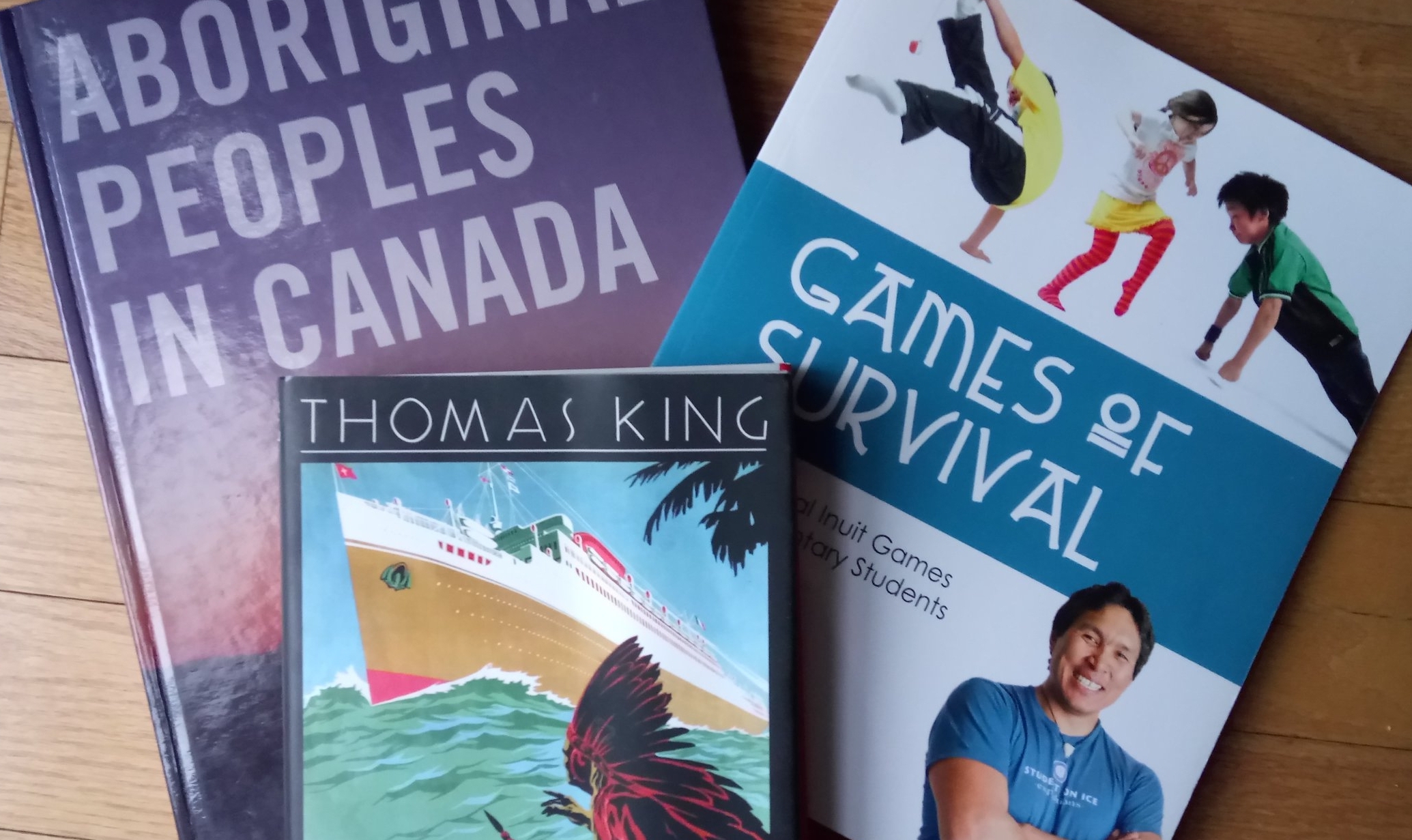
If you are looking to do more work in Indigenous education in your class or at your school, and need support from Policy to justify your work to less willing colleagues or community members, the new Education Equity Action Plan is one place to turn. Launched in September 2017, the three-year plan lays out concrete guidelines for multiple layers of the education system to improve the "success and well-being" of all students in the provincial system.
Read moreBreaking through barriers to build confidence in teaching Indigenous content
You may make a mistake. Indeed, you MOST LIKELY will. I do all the time. But as non-Indigenous teachers we need to realize that we can recover from mistakes and do better. What we can't recover from is another generation of students in Canada who don't know the whole truth, and who may grow to perpetuate misconceptions and racist attitudes and support oppression.
Read moreRethinking your approach to Thanksgiving
In recent days I've begun to get emails from teachers wanting to rethink their Thanksgiving curriculum. I need to preface this post with another reminder that I am not Indigenous, (I spent last Saturday in my parents garage making sauce and am very Italian-Canadian) and full credit for my learning goes to many amazing First Nations colleagues that have engaged in conversations about the holiday with me over the years, including Dr. John Doran who is now at UPEI and Dr. Jean-Paul Restoule who is at UVic.
Read moreWhat can my students and I do? Activism in the classroom
One of the questions that I frequently get from teachers is "what can my students and I do to change things?" alluding to their desire to somehow to contribute to justice on one of the many issues that Indigenous communities are facing. My response is always the same, get humble and get listening.
Read moreRevising History - Rethinking the Bering Land Bridge
Many of the resources we still use in school refer to Beringia and the Bering Land Bridge Theory. Many of the Indigenous storytellers, community members and scholars that I know have argued against this based on their creation stories and traditional knowledges embedded in them. Now, anthropological evidence is catching up!
The Nature of Things with David Suzuki looked at the evidence against the land bridge in Code Breakers and this past month, a CBC article highlight findings which suggest Indigenous peoples have been on Turtle Island for 130 000 years.
For some non-Indigenous educators, the discovery that what we have been teaching for so many years is incorrect is a painful realization. When this happens in my teaching practice (and it does) I try my best to sit with those feelings rather than avoiding them. A huge part of shifting my teaching has been about turning towards any shame or guilt I experience, processing, and moving through them to a more productive and honest place.
I bring this up here because the Bering Land Bridge is a place of huge conflict and shame in some circles. Rather than listening to Indigenous peoples, I've long heard many folks reject their knowledges. That it is taking the findings of Western scientific and anthropological processes to accept Indigenous ways of knowing is telling in itself.